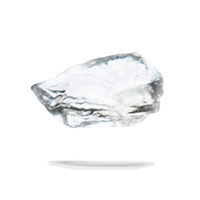
Glass flour
Precise grain size and chemical purity - functional filler for advanced industrial applications.
Who was glass flour created for?
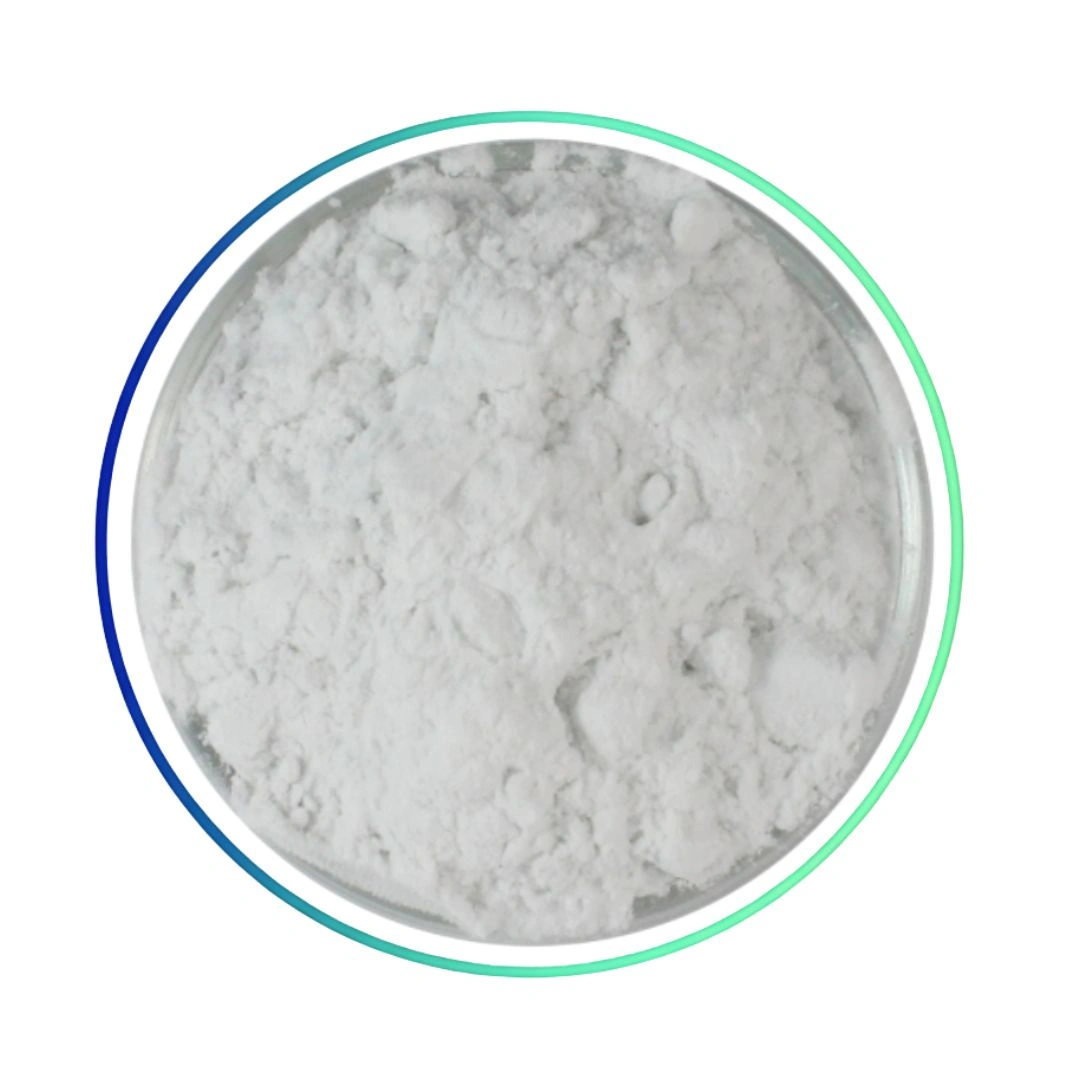
Glass powder is a fine-grained material created during the production of glass granules - used where precision of fragmentation, chemical neutrality and compatibility with industrial systems are crucial. The product is particularly valued in: the construction chemicals industry (as a filling and modifying ingredient for cements, resins and mortars); the paint and varnish industry (as a mineral additive improving the resistance of coatings), plastics and composites (enhancing thermal and abrasive parameters), as well as in technical ceramics, production of adhesives and sealants. If your products require durability, stability and repeatable physicochemical properties - glass flour will be a solution that will meet your expectations.
Tell us about the situation of your company and check
Can Glass Flour solve your problem?
What distinguishes glass powder from other standard solutions?
- fine fraction (0–100 µm) – perfectly disperses in mixtures, without causing a segregation effect,
- chemical neutrality – does not react with most resins, binders and compounds used in industrial chemicals,
- high purity – obtained from clean, selected batches of soda-lime glass,
- safety and stability – no free silica and iron, which minimizes the risk of unwanted reactions and discoloration.
Production method and structure are the key to success
Glass powder is produced as a result of precise grinding and classification of the smallest fractions of glass granulate. The raw material comes from controlled sources (sodium glass), and each batch is subjected to qualitative analysis in terms of granulation and chemical purity. The product is available in standardized fractions, packed in a format convenient for the industry (25 kg bag, 1000 kg big bag).

In which industry will glass flour be suitable?
Construction chemicals industry
Filler for leveling compounds, mortars, thin-layer plasters, waterproofing. It improves the structure and resistance of products without increasing the cost of the recipe.
Paints and protective coatings
Matte stabilizer, increases abrasion resistance, improves rheological parameters. Used in acrylic, silicone and alkyd systems.
Plastics and composites
Additive to epoxy, PU and polyester resins – ensures better flow, thermal stability and chemical resistance.
Technical ceramics and glass industry
As a flux or property modifier in ceramic composites, enamels and glazes.
Or maybe your industry is just discovering the potential of glass powder?
Faster, cheaper, more effective We implement effective processes surface treatment
This product is becoming more and more widely used as:
- stiffening additive for technical pastes and putties,
- component of health and safety mixtures (e.g. for abrasive hand pastes),
- microfiller in the production of laminates and geosynthetics,
- a substitute for talc or limestone flour where higher chemical neutrality is required.
Glass powder combines functional properties with a predictable price and the possibility of regular deliveries in large volumes.
How Much Does Shot Blasting Really Cost? 6 Areas That Are Draining Your Budget
How do we cooperate in the supply of glass flour?

Technical advice – we will advise you whether glass flour suits your process.

Flexibility in logistics – we will adapt the packaging format and delivery frequency to your production system.

Sample availability – you don't have to buy the whole ton at once. Contact us and check the product properties in practice.

Constant availability and repeatability – if you are looking for a stable component for a recipe, you have come to the right place with glass flour.

Technical information
Attributes
Material:
Soda-lime glass (finely ground)
Application:
Industrial filler, technological additive, component of chemical mixtures
Dosing systems:
Pneumatic dispensers, industrial mixers
Hardness:
~6 on the Mohs scale
Packing
Seeding chart
Available fractions: 0–100 µm (others on request)