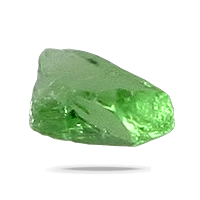
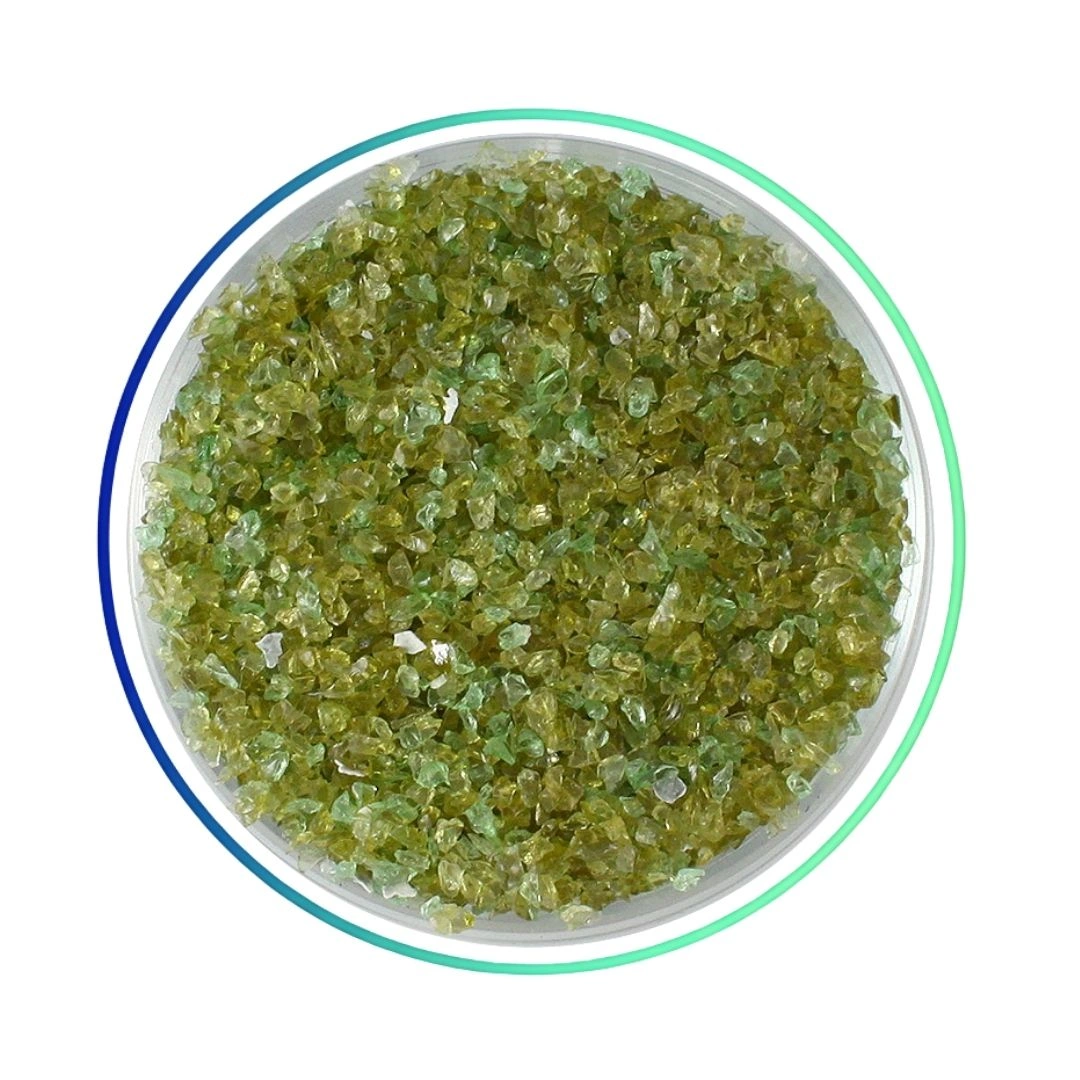
Glass granulate
Pure raw material, precise processing, comfortable work – a noble abrasive for demanding industries.
Who was glass granulate created for?
Glass granulate is a high-purity abrasive designed for companies that require uncompromising material quality, repeatability, and process hygiene. It excels in the aluminum industry (including rims, castings, and profiles) – it ensures gentle, controlled cleaning without damaging thin-walled components; the automotive and aviation industries – excellent for preparing surfaces for gluing, painting, and anodizing; and the renovation and conservation of historic buildings – enabling the cleaning of sensitive structures (stone, brick, wood) without the risk of degradation. Unlike typical granulates made from bottle waste, our product is made from pure glass used in window glass production – odorless, free of organic residues, and without compromise.
Tell us about your company’s situation and see if
Glass granules can solve your problem.
What distinguishes glass granulate from other standard solutions?
A noble raw material, not derived from food waste – it is odorless, contaminant-free, and does not negatively impact working conditions. Chemical neutrality and the absence of heavy metals ensure safety for operators, equipment, and workpiece surfaces. Homogeneous fraction – stable grain quality – ensures process control and predictable results. Delicate yet effective structure – ideal for thin aluminum sheets, plastic components, and soft alloys.
Production method and structure are the key to success
The granulate is made from virgin raw materials – soda-lime glass used in the window industry. Instead of processing beverage and alcohol waste, we choose a premium material, which, after grinding and sorting, reaches customers in the form of sharp-edged, fine granules. It’s a difference you can feel – literally and technologically.

In what industry is glass granulate suitable?
Aluminum industry and wheel rim production
Gentle cleaning of aluminum castings and rims. Does not damage the protective coating, ideally preparing for powder coating and anodizing.
Automotive and aviation
Machining of thin-walled parts, light alloys, sheet metal and components with precise requirements – without the risk of excessive erosion or oxidation.
Renovation of monuments and infrastructure
Minimally invasive stone, brick, and wood cleaning. Appreciated by conservators and companies working in historic areas.
Faster, cheaper, more effective We implement effective processes surface treatment
Glass granules also work well as:
- component of polymer composites (e.g., filler for technical resins),
- additive to polishing pastes and health and safety materials,
- material for micro-bead blasting of optical and electronic components.
If you value process cleanliness, raw material quality, and operator comfort, this material can revolutionize your surface preparation method.
How to choose glass granules for the glass blasting and sandblasting process?
How do we implement glass granules in customer companies?

Process Analysis – We don't begin projects without a thorough understanding of the current process. Therefore, in the initial phase of the project, we carefully analyze the client's current challenges and problems to identify potential optimization opportunities. If we jointly determine that the current state can be improved qualitatively and economically, we continue the project.

Measurements and testing – We come to the client for a process audit. We verify machine settings, collect samples, interview operators closest to the process, check the surface blasting level, and analyze the results.

Testing and training – To reduce the risk of changes introduced to the client's conditions, we conduct tests on selected materials at our testing center in Łódź. We evaluate the results, consider potential adjustments, and then prepare an action plan for the coming months. We train employees in areas that require increased attention and implement necessary procedures that will allow the team to maintain established process parameters in the long term.

Process Support – We continue our project collaboration. We provide regular support to periodically monitor the process after changes are made to the client's process. This allows clients to better understand the key quality and financial aspects of their machining.

Technical information
Attributes
Material:
Window glass soda-lime glass
Application:
Glass blasting, micro-matting, cleaning of surfaces of aluminum, stainless steel, plastics, and monuments
Shot blasting systems:
Pneumatic shot blasting machines,
Hardness:
6 – 7 on the Mohs scale
MOQ
1000 kg
Bulk density:
ok. 1,5 g/cm³
Specific density:
ok. 2,5 g/cm³
Packing
Spreading table
Granulation: Scope:
16/36 800 µm-1500 µm
24/36 350 µm-800 µm
40 315 µm-500 µm
80 250 µm-350 µm
110 200 µm-315 µm